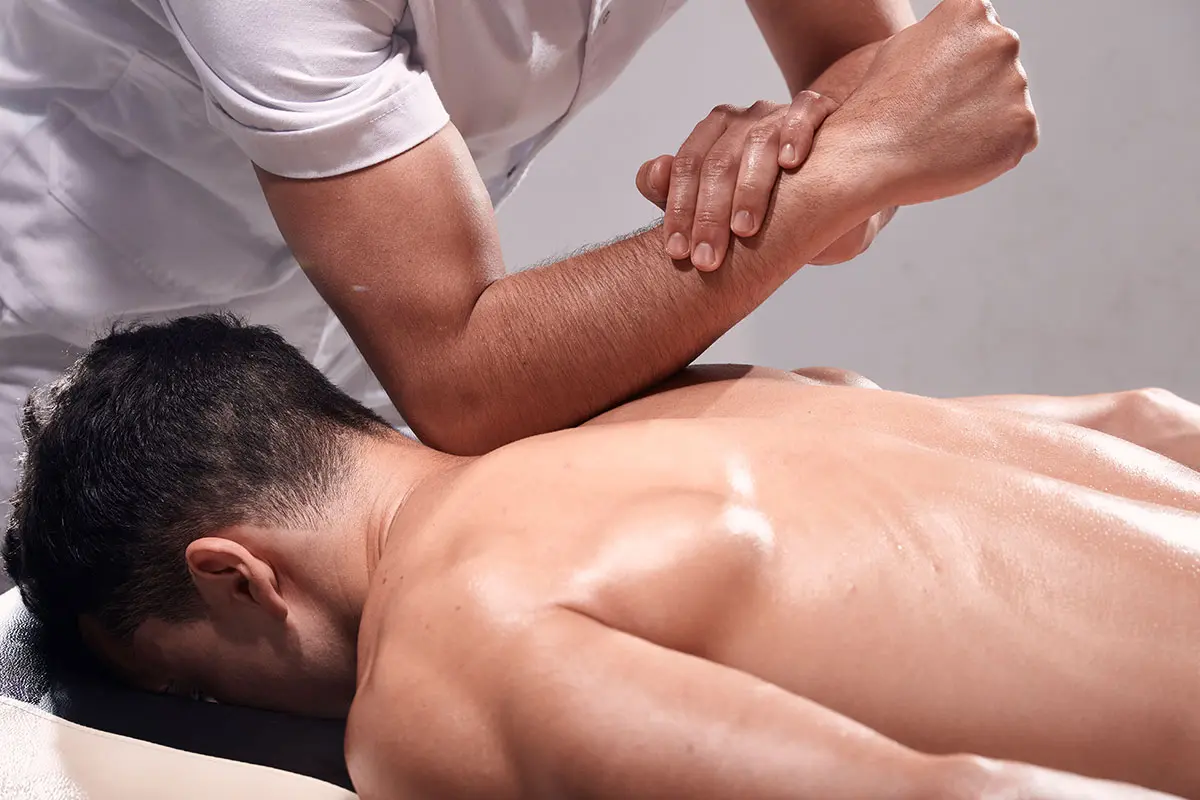
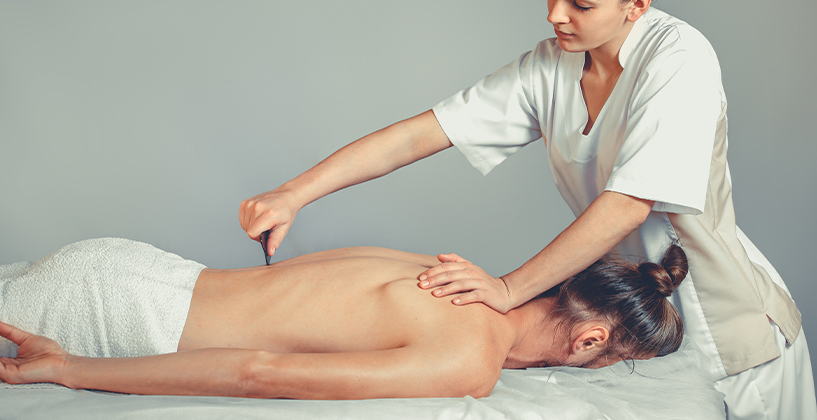
Ever seen a tiny cone of burning herb held near the skin in an acupuncture clinic and wondered what on earth was going on? That slow, fragrant smoke is moxibustion, an East-Asian therapy that has been warming joints and easing cramps for thousands of years.
Moxibustion involves burning dried mugwort (moxa) over specific acupuncture points. The gentle heat is thought to boost blood flow, soothe pain, and support the body’s natural healing responses—all without needles.
Below, you’ll learn what moxibustion is, how it works, the research behind it, who should (and shouldn’t) try it, and practical tips for a safe first session. I’ll also tackle common questions at the end.
What Exactly is Moxibustion?
Moxibustion is a form of thermal therapy that uses Artemisia argyi (mugwort) leaves. Practitioners shape the dried herb into a cone, stick, or charcoal roll, light it, and hover or place it near the skin. The goal is to warm acupuncture points and the channels (meridians) linked to them.
Earliest records: The technique appears in The Inner Classic of the Yellow Emperor (c. 200 BCE).
Geography: China, Korea, and Japan each developed unique styles.
Traditional aim: To dispel “cold” and “damp”—terms for stagnation and poor circulation.
How Does Moxibustion Work?
Scientists and traditional doctors explain it differently, yet both views come down to heat and circulation.
Modern studies show the skin under moxa can warm to 43-50 °C—enough to trigger heat-shock proteins that reduce inflammation.
When warmth reaches deeper tissues, local blood vessels widen, moving oxygen, immune cells, and nutrients into stiff or painful areas. Acupuncturists say this “moves qi”; physiologists call it improved micro-circulation. Either way, it feels pleasantly toasty.
Scientific Evidence and Key Health Benefits
Recent reviews in Pain Medicine and Frontiers in Neuroscience report promising—but not yet definitive—data.
Lower-back pain – Several randomized trials found moxa plus usual care cut pain scores by 25–40 % compared with usual care alone.
Arthritis stiffness – Heat from moxa appears to improve knee flexion and reduce morning stiffness.
Menstrual cramps – A 2023 meta-analysis of 13 studies showed shorter and less painful periods with indirect moxa.
Digestive issues – Small trials link abdominal moxa to better bowel motility in IBS.
Breech babies – WHO notes that daily moxa at Bladder-67 in weeks 34-36 can encourage babies to turn head-down.
Danger: Although burns are rare in skilled hands, do not try direct moxa on yourself. Ash can fall quickly, and repeated heat on numb skin (e.g., diabetic neuropathy) may injure you before you feel it.
Who Should Try Moxibustion—And Who Should Avoid It?
Potential Candidates Ar:
People with cold-sensitive joints
Adults managing chronic lower-back or knee pain
Women with primary dysmenorrhea
Expectant mothers with breech presentation (under obstetric guidance)
Not Recommended For:
Fever or active infection
Severe circulatory disorders or varicose veins over the target zone
Pregnancy points that induce labor unless supervised
Anyone with compromised skin sensation
How to Experience Moxibustion Safely
Book an appointment; ask whether the clinic uses stick, cone, or smokeless charcoal.
Wear loose cotton so heat can reach the area.
Expect mild warmth and a mugwort scent; tell the therapist if it feels too hot.
Afterward, drink water and avoid cold drafts for a few hours.
Suggestion: Sensitive to smoke? Ask for a smokeless moxa or an infrared “moxa lamp” that mimics the heat without burning herbs.
Conclusion
Moxibustion is a time-honored warming therapy that may ease pain, improve circulation, and even help babies turn before birth. While research is still growing, its risk profile is low when performed by a qualified practitioner. If you’re curious, schedule a session—perhaps at a trusted center like Nobility Revive Therapy Medical Massage—and feel the gentle heat for yourself.
FAQ
What does moxa smell like?
Mugwort smoke has an herbal aroma, often compared to sage or mild incense. Smokeless charcoal sticks produce far less scent.
How many sessions do I need before noticing changes?
Many clients feel looser after one or two visits, but chronic problems usually need a series of six to eight sessions.
Can I combine moxibustion with acupuncture or massage?
Yes. Heat can relax tissue first, making needling or soft tissue work more comfortable.
Is it safe during pregnancy? Indirect moxa at specific points under trained supervision can be used to turn breech babies, but other points must be avoided. Always consult both your obstetrician and a licensed practitioner.